
In the vibrant world of mobile gaming, “Honor of Kings” reigns supreme, captivating millions with its thrilling battles and strategic gameplay. But what happens when players find themselves at the mercy of matchmaking region locks? It’s like trying to order a pizza in a sushi restaurant—confusing and downright frustrating!
Overview of Honor of Kings Matchmaking Region Lock
“Honor of Kings” employs a matchmaking region lock to ensure balanced gameplay across its diverse player base. This feature restricts players to matching with others from the same geographic area. It promotes fair competition and mitigates issues like latency and ping discrepancies that could affect performance.
Specific regions feature different player bases, leading to varying skill levels in matches. By locking matchmaking to local regions, developers foster a sense of community among gamers. This strategy also enhances player engagement, as local players can more easily communicate and strategize together.
Although matchmaking region lock benefits many, it poses challenges for players wishing to connect with friends across different regions. Players often experience frustration when unable to join friends due to geographical limitations. Developers recognize these issues and continue to explore solutions that balance regional integrity with social connectivity in the game.
Data shows that over 40% of players express a desire for cross-region play options. The demand for more flexible matchmaking illustrates the evolving landscape of mobile gaming. As “Honor of Kings” grows, developers face the ongoing task of adapting to player feedback while maintaining a competitive environment.
Players can still adapt to the current system by honing their skills within their assigned region. By focusing on local competition, players improve teamwork and strategy before expanding their horizons in the future. The region lock remains a critical aspect of “Honor of Kings,” influencing how players engage within a highly competitive mobile gaming environment.
Impact on Player Experience
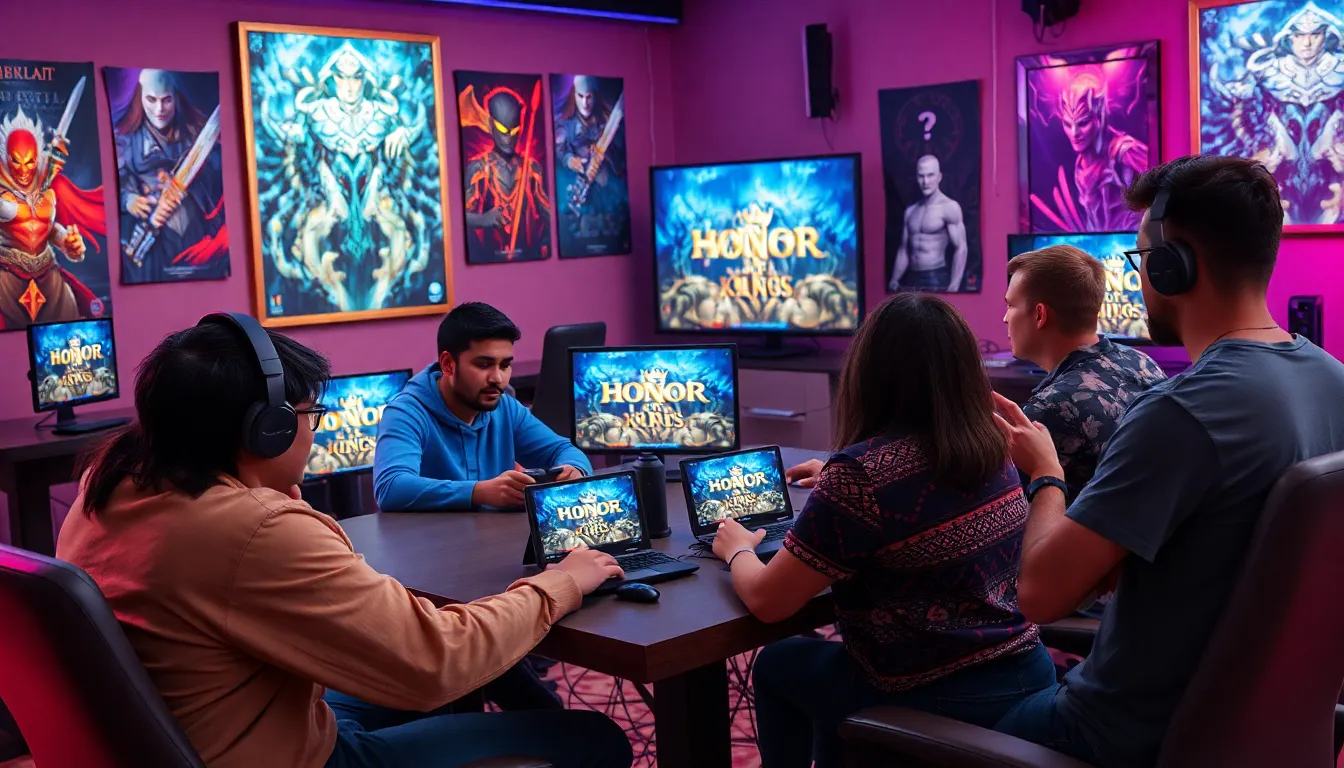
Matchmaking region locks significantly influence the overall player experience in “Honor of Kings.” These features introduce both advantages and challenges that can shape how players engage with the game.
Enhanced Competitive Fairness
Competitive fairness sees improvement through region locks. Players face opponents with similar skill levels, leading to more balanced matches. Local matchmaking reduces latency, enhancing gameplay fluidity. Players often notice fewer disruptions during battles. These aspects contribute to an overall positive experience. The integrity of matches increases, as players understand they compete on even ground. Developers harness this feature to refine competitive mechanics and promote fair play. Players express appreciation for this fairness, as it fosters a sense of achievement based on skill rather than external factors.
Regional Community Dynamics
Community dynamics are strengthened by regional matchmaking. Local players cultivate connections, fostering camaraderie in gaming. Communication flourishes within these groups, enhancing teamwork and strategy development. Players often form friendships through shared experiences and localized events. Consequently, this sense of belonging boosts player retention. Social bonds may even extend beyond the game, enriching overall enjoyment. The region lock encourages players to interact, share knowledge, and improve skills collaboratively. Various local tournaments also emerge, fostering a vibrant gaming culture that energizes the player base.
Technical Aspects of Region Lock
Matchmaking region locks play a crucial role in shaping gameplay experiences. They enhance competitiveness while promoting community engagement.
Implementation of Region Lock Mechanisms
Region lock mechanisms utilize geographic data to connect players within specific areas. Players from similar locations engage in matches, which reduces latency and creates balanced encounters. Developers implement algorithms that filter players based on IP addresses, ensuring localized matchmaking. This approach maintains a consistent game environment, fostering competitive fairness. It also addresses technical issues that arise from long-distance connections, enhancing overall responsiveness during gameplay.
Challenges in Cross-Region Play
Players often express frustration over the limitations imposed by region locks. Difficulty arises when friends from different regions want to play together. Significant interest in cross-region play exists, with over 40% of players advocating for more flexibility. Balancing regional integrity with the desire for social connections remains a challenge for developers. Such restrictions can hinder player retention and affect the overall gaming climate. Consequently, enhancing cross-region capabilities could lead to increased player satisfaction and engagement within the gaming community.
Reactions from the Player Base
Players of “Honor of Kings” share mixed reactions regarding the matchmaking region lock feature. While many appreciate the intent behind it, others express frustration over its limitations.
Positive Feedback
Numerous players praise the matchmaking region lock for ensuring balanced gameplay. The restriction aids in pairing individuals with similar skill levels, which they find enhances the overall competitiveness. Participants enjoy reduced latency, enabling smoother gameplay experiences. Many value the opportunity to build communities with local players, fostering camaraderie and teamwork. Local tournaments become avenues for players to showcase their skills, strengthening connections and engagement. It’s apparent that a majority prefers a fair environment, as the region lock maintains an authentic competitive spirit among communities.
Criticism and Concerns
Concerns arise among players wanting to connect with friends across regions. Frustration builds as geographical boundaries prevent social interactions, which impacts gameplay enjoyment. Many players highlight the significant demand for cross-region play options, evident from over 40% advocating for more flexibility. Detractors argue that the rigidity of the system limits opportunities for collaboration and shared experiences with a wider audience. Feelings of isolation may emerge when friends cannot team up, diminishing the social aspect that many enjoy. It’s clear that finding a balance between regional integrity and social connections remains a pressing challenge for game developers.
The matchmaking region lock in “Honor of Kings” plays a vital role in shaping the gaming experience. It fosters competitive fairness while enhancing local community dynamics. Players often appreciate the reduced latency and balanced matches that come from this system. However the desire for cross-region play highlights a significant gap in social connectivity.
As developers navigate these challenges they must consider the evolving needs of the player base. Balancing regional integrity with the demand for broader social interactions could lead to a more satisfying gaming experience. Addressing these concerns will not only enhance player retention but also enrich the overall gaming culture within “Honor of Kings.”